How Web Design & Graphic Design Have Improved: The Evolution of Digital Creativity


Over the past two decades, web design and graphic design have undergone a remarkable transformation. What once relied heavily on static visuals, limited tools, and rigid layouts has evolved into a dynamic, user-centered, and highly sophisticated discipline. Today, design is not just about aesthetics—it is about functionality, accessibility, storytelling, and creating meaningful user experiences.
The improvement in web design and graphic design reflects broader technological advancements, changing user expectations, and a deeper understanding of human behavior. From responsive layouts to AI-powered tools, the design landscape has matured into a powerful force that shapes how we interact with the digital world.
From Static Pages to Interactive Experiences
In the early days of the internet, websites were largely static. Designers worked with basic HTML, limited color palettes, and minimal interactivity. Pages were often cluttered, slow, and difficult to navigate. Graphic design, similarly, was constrained by print-focused tools and lacked the flexibility needed for digital platforms.
Today, web design has evolved into a highly interactive experience. Modern websites feature animations, transitions, micro-interactions, and dynamic content that respond to user behavior. These elements not only make websites visually appealing but also improve usability and engagement.
Graphic design has followed a similar path, embracing motion graphics, digital illustrations, and interactive visuals. Designers now create content that adapts across platforms, from websites and mobile apps to social media and virtual environments.
User-Centered Design and UX/UI Principles
One of the most significant improvements in both web and graphic design is the shift toward user-centered design. Instead of focusing solely on visual appeal, designers now prioritize usability and user experience (UX).
User interface (UI) design ensures that digital products are intuitive and easy to navigate, while UX design focuses on the overall experience a user has when interacting with a product. This includes factors such as accessibility, speed, clarity, and emotional response.
Modern design processes often involve:
- User research and testing
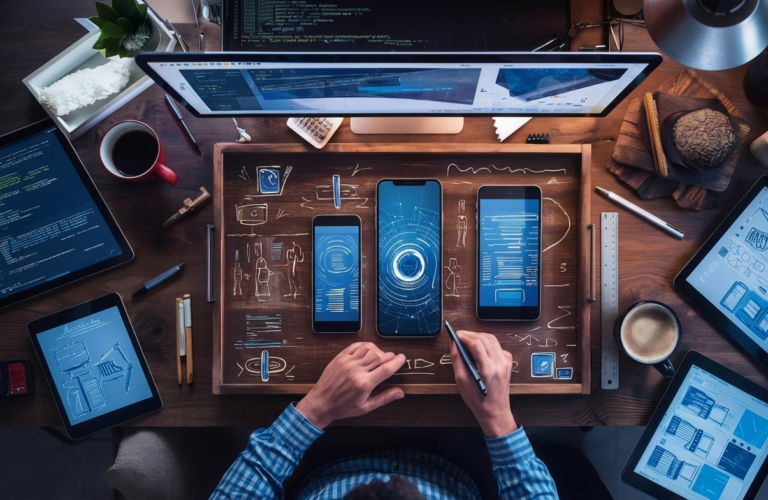
- Wireframing and prototyping
- Iterative design improvements
- Accessibility considerations
This approach ensures that designs are not only beautiful but also functional and inclusive. As a result, users can interact with digital platforms more efficiently and enjoyably.
Responsive and Mobile-First Design
With the rise of smartphones and tablets, the way people access the internet has changed dramatically. This shift has driven the adoption of responsive and mobile-first design strategies.
Responsive design allows websites to adapt seamlessly to different screen sizes and devices. Whether a user is browsing on a desktop, tablet, or smartphone, the experience remains consistent and optimized.
Mobile-first design takes this a step further by prioritizing the mobile experience during the design process. Designers start with smaller screens and progressively enhance the layout for larger devices. This ensures that essential content and functionality are always accessible.
These improvements have made web design more flexible and user-friendly, accommodating the diverse ways people interact with digital content.
Advanced Design Tools and Software
The tools available to designers today are far more powerful and versatile than those of the past. Modern design software enables greater creativity, efficiency, and collaboration.
Key advancements include:
- Real-time collaboration features
- Cloud-based design platforms
- Vector and raster integration
- Advanced prototyping tools
Designers can now work simultaneously with team members, share feedback instantly, and iterate quickly. This has streamlined workflows and improved the overall quality of design projects.
Additionally, tools now support automation and reusable components, allowing designers to maintain consistency across large-scale projects while saving time.
The Rise of Design Systems
Design systems have become a cornerstone of modern web and graphic design. A design system is a collection of reusable components, guidelines, and standards that ensure consistency across a product or brand.
These systems include:
- Typography rules
- Color palettes
- UI components (buttons, forms, icons)
- Layout grids
- Interaction patterns
By standardizing design elements, organizations can create cohesive and scalable digital experiences. Design systems also improve collaboration between designers and developers, reducing inconsistencies and speeding up production.
This structured approach represents a major improvement over the fragmented and inconsistent designs of the past.
Improved Typography and Visual Hierarchy
Typography has evolved significantly in both web and graphic design. In the past, designers were limited to a small selection of web-safe fonts, which restricted creativity.
Today, designers have access to a vast library of fonts, including custom typefaces and variable fonts that adapt dynamically. This has expanded the possibilities for visual expression and brand identity.
Improved typography also enhances readability and user experience. Designers use clear visual hierarchies to guide users through content, making information easier to understand and navigate.
Elements such as font size, weight, spacing, and alignment are carefully considered to create a balanced and engaging design.
Accessibility and Inclusive Design
Accessibility has become a central focus in modern design. In the past, many digital products were not designed with all users in mind, particularly those with disabilities.
Today, designers prioritize inclusive design practices to ensure that content is accessible to everyone. This includes:
- High-contrast color schemes
- Screen reader compatibility
- Keyboard navigation
- Alt text for images
- Clear and simple language
These improvements have made digital platforms more inclusive and user-friendly. Accessibility is no longer an afterthought—it is an essential component of good design.
Integration of Artificial Intelligence
Artificial intelligence (AI) is transforming web and graphic design in exciting ways. AI-powered tools can assist with tasks such as image editing, layout generation, and content personalization.
For example, AI can:
- Suggest design layouts based on content
- Automatically resize graphics for different platforms
- Enhance images and remove backgrounds
- Analyze user behavior to improve UX
While AI does not replace human creativity, it enhances productivity and allows designers to focus on more strategic and creative aspects of their work.
This integration represents a significant leap forward in design efficiency and innovation.
Branding and Visual Storytelling
Graphic design has always played a key role in branding, but modern tools and platforms have elevated its importance. Today, brands rely on cohesive visual identities to stand out in a crowded digital landscape.
Designers use color, typography, imagery, and layout to tell compelling stories and create emotional connections with audiences. This approach goes beyond logos and advertisements—it extends to every touchpoint, including websites, apps, and social media.
Improved design techniques allow brands to communicate their values and personality more effectively, building trust and recognition among users.
Performance and Optimization
Modern web design is not just about appearance—it is also about performance. Fast-loading websites and optimized graphics are essential for user satisfaction and search engine rankings.
Designers now work closely with developers to ensure that:
- Images are compressed without losing quality
- Code is optimized for speed
- Animations do not hinder performance
- Content loads efficiently across devices
These improvements have made websites faster, more responsive, and more reliable, enhancing the overall user experience.
Collaboration Across Disciplines
Web and graphic design have become more collaborative than ever. Designers now work closely with developers, marketers, product managers, and data analysts to create holistic digital experiences.
This interdisciplinary approach ensures that design decisions are aligned with business goals, technical requirements, and user needs. It also fosters innovation by bringing together diverse perspectives.
Collaboration tools and workflows have improved communication and efficiency, enabling teams to deliver high-quality results more quickly.
The Influence of Trends and Innovation
Design trends continue to evolve, reflecting changes in technology and culture. Some of the most notable trends in recent years include:
- Minimalism and clean layouts
- Dark mode design
- 3D graphics and immersive visuals
- Micro-interactions and animations
- Neumorphism and glassmorphism
While trends come and go, they drive experimentation and push the boundaries of creativity. Designers constantly adapt and innovate, ensuring that digital experiences remain fresh and engaging.
Challenges and Future Directions
Despite these improvements, challenges remain. Designers must balance creativity with functionality, ensure accessibility, and keep up with rapidly changing technologies.
Looking ahead, emerging technologies such as virtual reality (VR), augmented reality (AR), and voice interfaces will further transform design. These innovations will require new approaches and skills, expanding the role of designers even further.
The future of web and graphic design will likely focus on creating immersive, personalized, and intelligent experiences that adapt to individual users.
Conclusion
Web design and graphic design have improved dramatically, evolving into sophisticated disciplines that combine art, technology, and psychology. From static pages to interactive experiences, from limited tools to AI-powered platforms, the progress has been profound.
Today’s designs are more user-centered, accessible, and efficient than ever before. They not only look better but also function better, providing meaningful and engaging experiences for users around the world.
As technology continues to advance, design will remain at the forefront of digital innovation. By embracing new tools, methodologies, and ideas, designers will continue to shape the way we interact with the digital world—making it more beautiful, intuitive, and inclusive for everyone.